
In the dynamic and demanding environment of healthcare administration, health technology management, and supply chain, efficiency is paramount. Capital planning and equipment purchasing are critical processes that can significantly impact a provider’s operational success and financial health.
OpenMarkets has proven to be an invaluable tool in these areas. One of the key strengths of OpenMarkets is its seamless integration with Enterprise Resource Planning (ERP) systems, including Workday, Lawson, Infor, Oracle, PeopleSoft, and Coupa. Here’s how and why this integration benefits hospitals.
The Power of Integration: Saving Time and Reducing Complexity
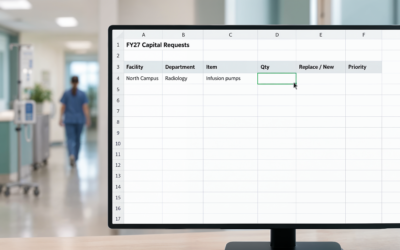
In a typical hospital setting, capital planning and equipment purchasing involves multiple steps, from initial planning and budgeting to requisitioning and final purchase. This process can be cumbersome and time-consuming, often requiring manual data entry at various stages.
One of the most significant time savings comes from automating manual data entry during the final requisitioning and PO creation stage.
For Chris Bly, Capital Manager at Vandalia Health, their ERP integration has “saved us about 60-70% of the time it previously took to create the capital requisition. It’s just so much easier.”
With OpenMarkets integrated into ERP systems, hospitals can automate many of these steps. For example:
- Data Synchronization: Quotes, supplier attachments, catalog and equipment details, approved standards, request data, and related purchasing information can be synchronized with the ERP system. Purchase order history can also be sent back to OpenMarkets to close out requests and provide visibility into purchases that may not align with organizational standards.
- Streamlined Workflow: Hospital employees can transition smoothly from planning and budgeting phases to requisitioning and purchasing without having to switch between disparate systems. This eliminates the need for manual data entry, reducing the risk of errors and ensuring that all information is up to date. This integrated workflow helps maintain continuity and enhances productivity.
Enhancing Accuracy and Efficiency in Procurement
Another compelling reason for integrating OpenMarkets with ERP platforms is to simplify and enhance the procurement process. Here’s how OpenMarkets excels in this regard:
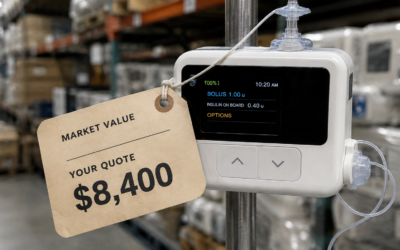
- Comprehensive Data Management: OpenMarkets houses critical data required by ERP systems, such as quotes from suppliers and a proprietary equipment catalog. This data is essential for making informed purchasing decisions and ensuring that all necessary financial approvals, risk assessments, and checks are in place.
- Supplier Engagement: OpenMarkets is a platform uniquely utilized by both suppliers and providers. This dual usage facilitates accurate and timely data exchange, ensuring that quotes and other vital information are readily available for ERP integration. By having direct access to supplier data, hospitals can avoid the common pitfalls of miscommunication and data discrepancies.
Real-World Benefits: From Planning to Purchase
The integration of OpenMarkets with ERP platforms brings tangible benefits to hospital operations:
- Improved Financial Oversight: For capital planning workflows, real-time data synchronization gives financial officers a clear and accurate view of budget statuses and pending purchases. For Formulary workflows, connected quote, catalog, and standards data helps teams understand whether purchases align with organizational standards. This transparency supports better financial planning and helps avoid budget overruns.
- Enhanced Decision Making: Access to accurate and comprehensive data allows hospital administrators to make more informed decisions regarding capital expenditures. This can lead to more strategic investments in equipment and technology, ultimately benefiting patient care.
- Operational Efficiency: By automating the procurement process, hospital staff can focus on more value-added activities, such as negotiating better deals with suppliers or improving patient services, rather than getting bogged down with administrative tasks.
Conclusion
In the fast-paced world of the healthcare supply chain, the ability to integrate specialized platforms like OpenMarkets with the ERP systems hospitals already rely on provides significant advantages. By connecting request details, supplier quotes, catalog data, approved standards, and purchase order history, OpenMarkets helps hospitals save time, reduce complexity, and enhance the accuracy and efficiency of their capital planning and equipment purchasing processes. By bridging the gap between suppliers and providers, OpenMarkets ensures that hospitals have the data they need, when they need it, paving the way for smarter, faster, and more efficient procurement.
OpenMarkets excels by providing a unique blend of comprehensive data management and seamless integration capabilities, making it an indispensable tool for hospitals striving for operational excellence. Through these integrations, hospitals can navigate the complexities of capital planning and equipment purchasing with ease, ensuring that their focus remains where it belongs—on delivering outstanding patient care.